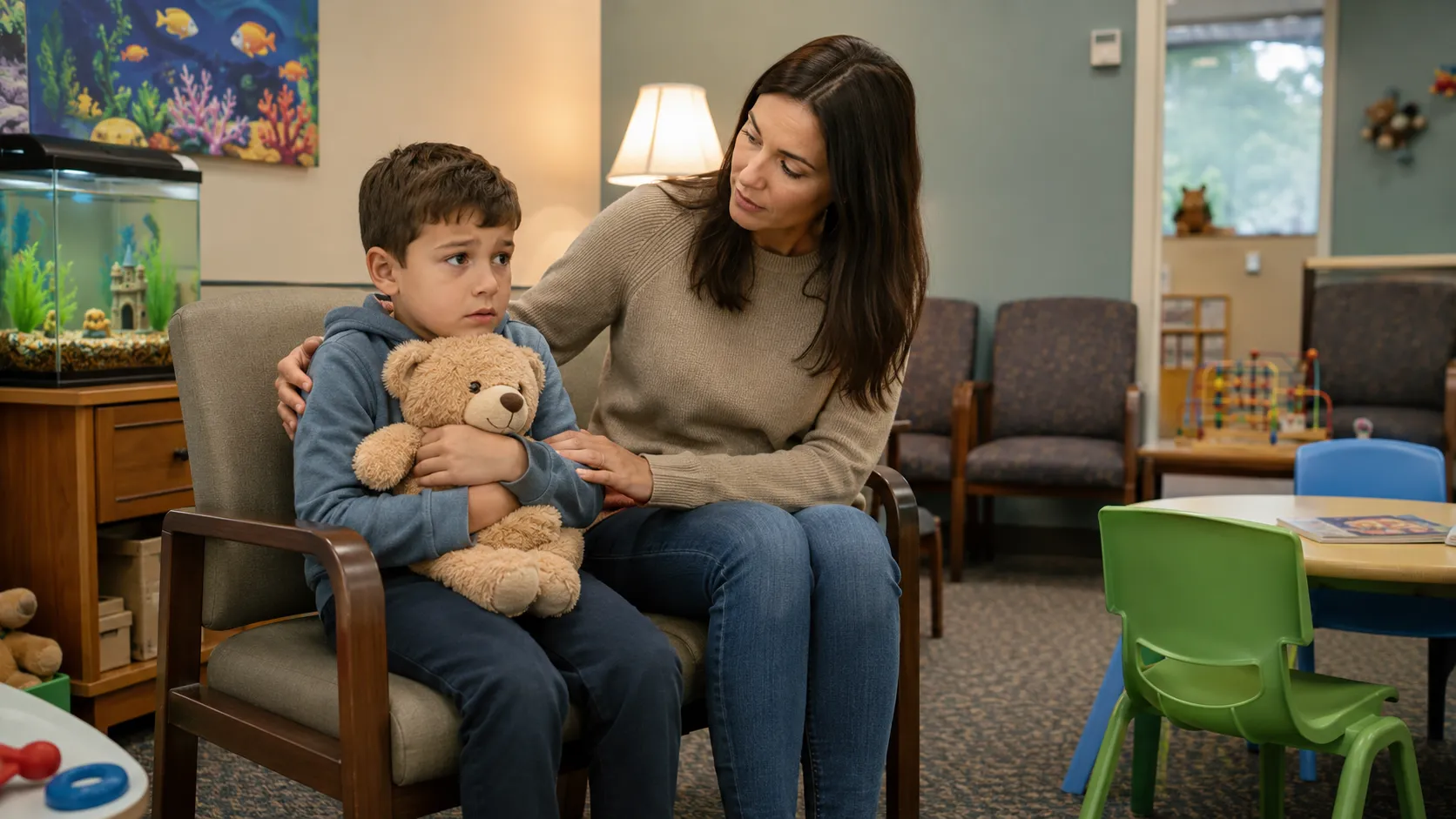
Helping kids at doctor visits begins long before the nurse calls their name. Children bring memories, questions, and imagination into every appointment. Some worry about shots, while others fear being separated from a parent. Many simply dislike unfamiliar rooms and unpredictable instructions. Parents can make the experience easier by creating emotional predictability. Brave Hearts at the Doctor’s Office gives parents practical language for these moments. It supports gentle parenting doctor visits without shaming a frightened child. It also offers child medical anxiety support for families who need structure. The best plan does not demand instant bravery. It helps children feel guided, respected, and prepared.
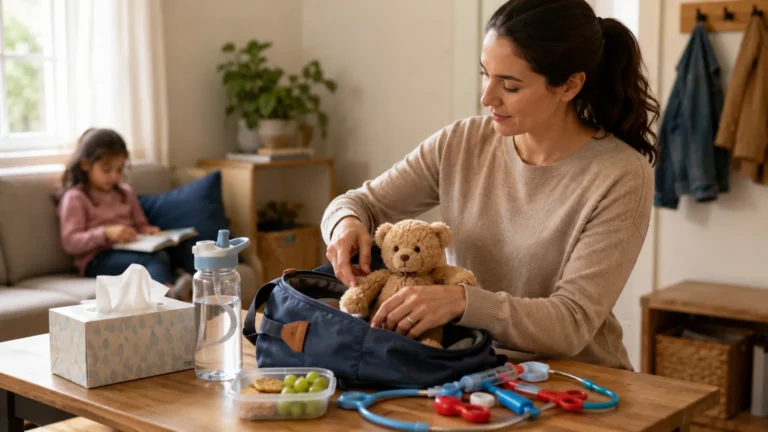
Home is the safest place to introduce medical routines. Use calm words when you describe the appointment. Tell your child the visit helps the doctor learn how their body is growing. Avoid dramatic warnings or last-minute surprises. Short, honest explanations usually work better than long speeches. Preparing kids for doctor appointments can include books, pretend play, and simple role reversals. Pediatric appointment confidence grows when children know the basic sequence. Brave Hearts at the Doctor’s Office helps parents choose that sequence clearly. Familiarity does not remove every fear. It gives the child a map for moving through it.
Trust depends on what parents say before difficult moments. Do not tell a child that a shot will never happen if it might. Do not pretend the doctor will only talk if an exam is expected. Honest language protects your relationship when the visit becomes uncomfortable. A calming doctor visit routine can make honesty feel less scary. A fear-free doctor appointment begins with emotional safety rather than perfect cooperation. Let your child know you will stay close and help them listen. Tell them their feelings are allowed. Clear expectations reduce the sense of betrayal that can follow surprise procedures.
Children often cope better when they can picture the next step. Create a simple appointment story with a beginning, middle, and end. The beginning might include shoes, the car, and the waiting room. The middle can include weighing, listening, looking, and asking questions. The end should include leaving, reconnecting, and returning to normal life. Emotional support for kids becomes easier when the story feels concrete. Child-friendly medical visits depend on language children can actually use. For deeper preparation, read the gentle fear support companion. The story should stay flexible. Some visits change, but your calm presence remains constant.
Hard moments need fewer words and more steadiness. When fear rises, reduce instructions to one clear step. Say breathe with me, hold my hand, or look at my face. These phrases are easier to follow than long explanations. Printable doctor visit tools can remind parents what to say under stress. Kids doctor office coping skills may include breathing, counting, squeezing a toy, or choosing a comfort item. Brave Hearts at the Doctor’s Office helps families prepare those tools before pressure arrives. Parents do not need to remove fear completely. They need to help the child move through fear safely.
Choice can calm children when adults set healthy boundaries. Offer limited choices that do not block necessary care. A child can choose which sticker comes after the visit. They can choose whether to sit on your lap or beside you. They may choose a song, toy, or breathing strategy. Use a parent guide for doctor fear when choices become confusing. A brave doctor visit plan keeps those choices simple. The child anxiety companion explains why control can feel so important. Choice works best when parents remain calm leaders. Children feel safer when adults hold the plan gently.
The appointment is not over when the exam room opens. Children need a calm transition back into ordinary life. Give water, a hug, quiet time, or a predictable next activity. Avoid turning the visit into a long lecture. Notice effort with specific words, such as you stayed with me through something hard. This helps children remember their own strength. Link the experience to future confidence without pushing too fast. The parent resource companion offers a structured way to continue that growth. Each visit becomes part of a larger emotional lesson. Your child learns that medical care can feel difficult and still be manageable.



Leave a comment
You must be logged in to post a comment.